

Ultimate Flooring Buyer’s Guide
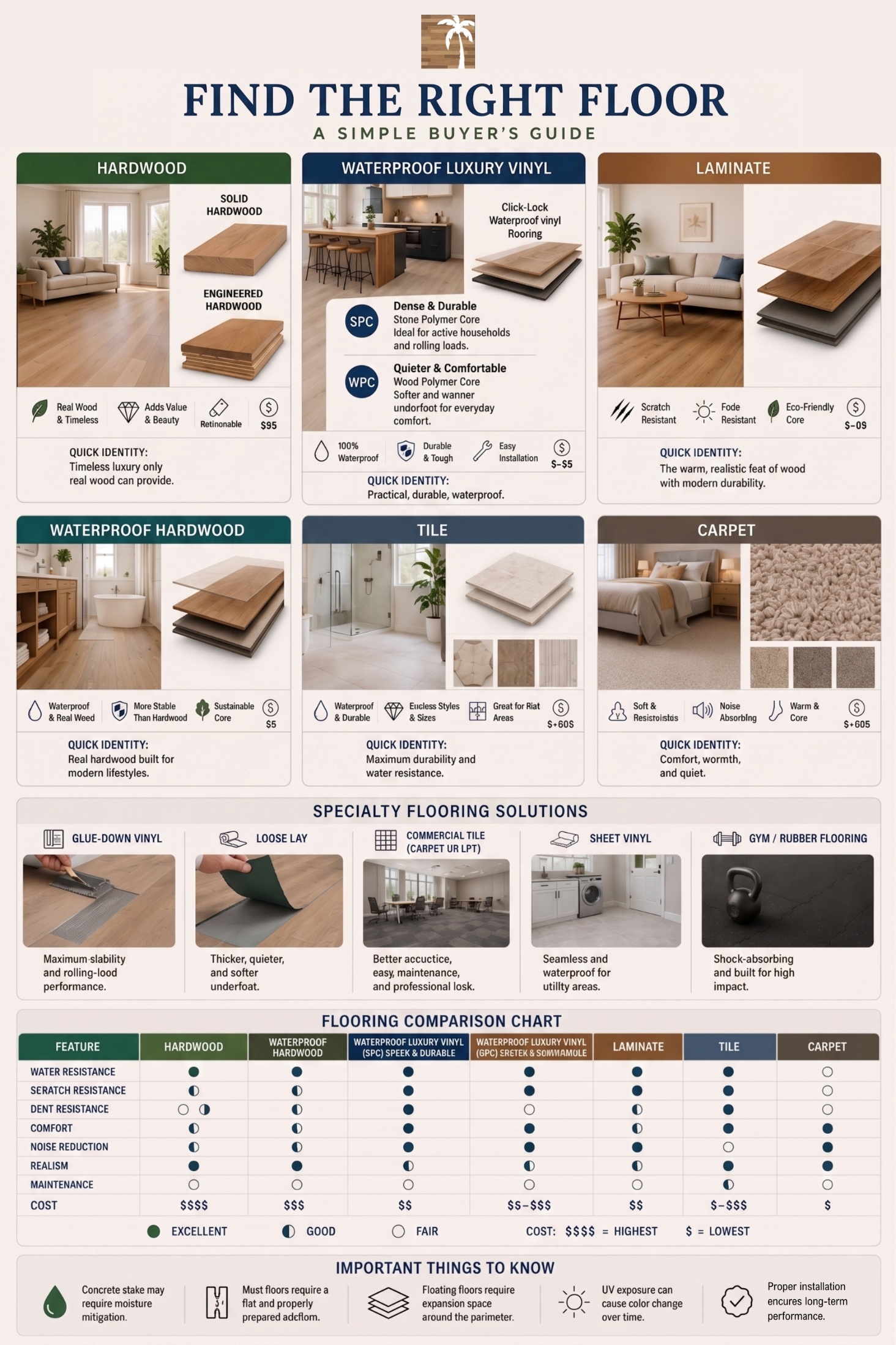
Once you start shopping for flooring, you will quickly find yourself going back and forth between what you like visually and what type of floor actually works best. This high-level comparison guide helps you compare flooring types such as vinyl, laminate, hardwood, and tile so you can understand the trade-offs and make the right decision. It works alongside our Design Guide because choosing a floor is not a step-by-step process. It is about connecting the look you want with the performance you need.
Read on to see how each type of flooring compares and which one is the best fit for your project.
Hardwood Flooring Overview
Hardwood is the most luxurious, natural, and timeless floor you can buy. It looks like wood, feels like wood, and sounds like wood…because it is wood (duh!).
Features:
- Wood is the only floor covering that can truly last for the life of your home
- Solid, natural sound and feel underfoot with no repeating patterns
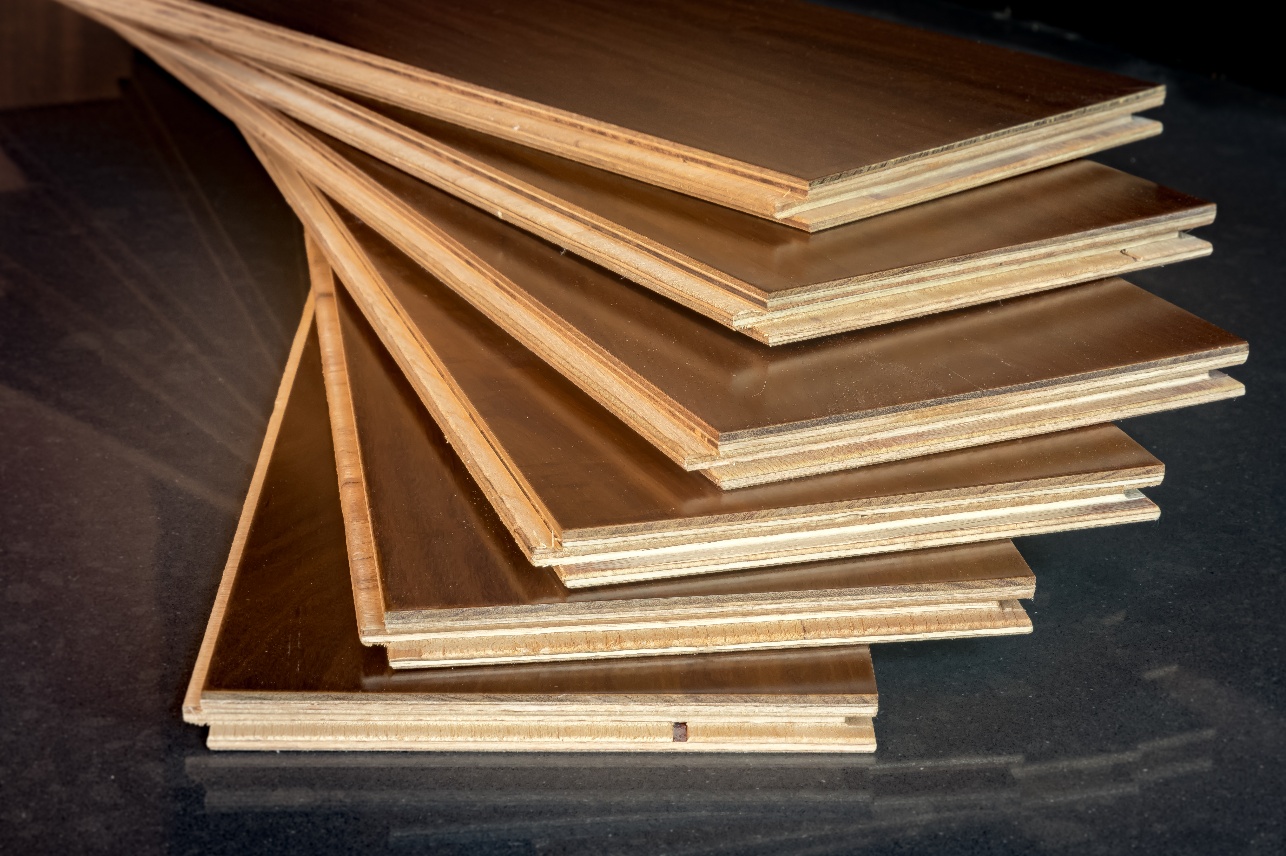
- A veneer of real wood over an engineered plywood core is common, though solid hardwood and cork cores are also available.
- Minor scratches can be camouflaged or filled, or the whole floor can be restored to new condition by sanding and refinishing
- Wood floors can add significant value to the resale value of your home
- The most sustainable flooring choice with the lowest environmental impact and greenhouse gas emissions compared to other floors
- If glued down, expansion/contraction is limited and a skilled installer may be able to omit moldings at transitions to tile and exterior doors for a seamless look
- Typical Cost: $7–$12 per square foot (materials only)

Key Concerns:
- Can warp if subject to prolonged topical moisture or stain if spills aren’t wiped up
- Softer wood species can scratch more easily; consult the Janka Hardness Scale for durability.
- Higher upfront cost than other options.
Best for: Long-term investment, timeless beauty & luxury, and sustainability
Avoid in: Bathrooms and high-moisture areas
Luxury Vinyl Flooring Overview
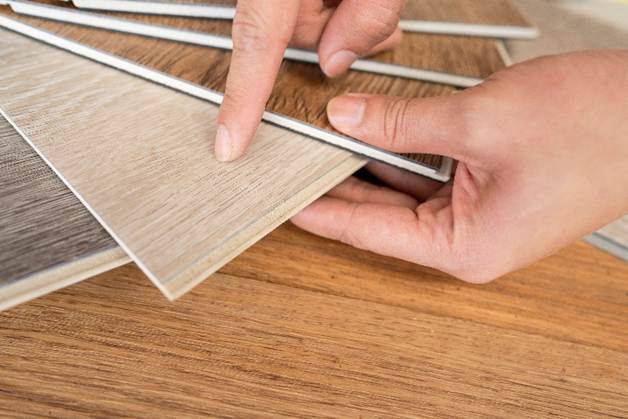
Vinyl has become one of the most popular flooring categories and for good reason. It’s waterproof, versatile, and stylish, with more choices in colors, textures, and formats than any other floor.
Features:
- 100% waterproof, perfect for kitchens, bathrooms, and basements
- Huge variety of visuals and sizes: wood, and even stone/tile designs
- Click format usually comes with an attached pad making it softer and quieter underfoot than other hard surfaces. Gluedown and looselay options are modular and best for rolling loads.
- Easy to install and can be cut by scoring+snapping or with a guillotine-style cutter
- Typical Cost: $3–$7 per square foot (materials only)
Concerns:
- Cheap vinyl can look and feel unrealistic, dent easily, wear quickly and thin locking systems can fail causing plank separation.
- While waterproof, vinyl is softer than laminate or tile and is slightly less scratch resistant.
- Requires a smooth subfloor; imperfections can telegraph through or cause bouncing and lock failure
- Can fade with prolonged exposure to direct sunlight; install UV blocking windows and/or window coverings
Best for: Versatility and comfort, active households, “whole-home” floors, quick installs, and commercial spaces.
Avoid in: Vinyl works in any room, but avoid prolonged exposure to direct UV rays
Laminate Flooring Overview
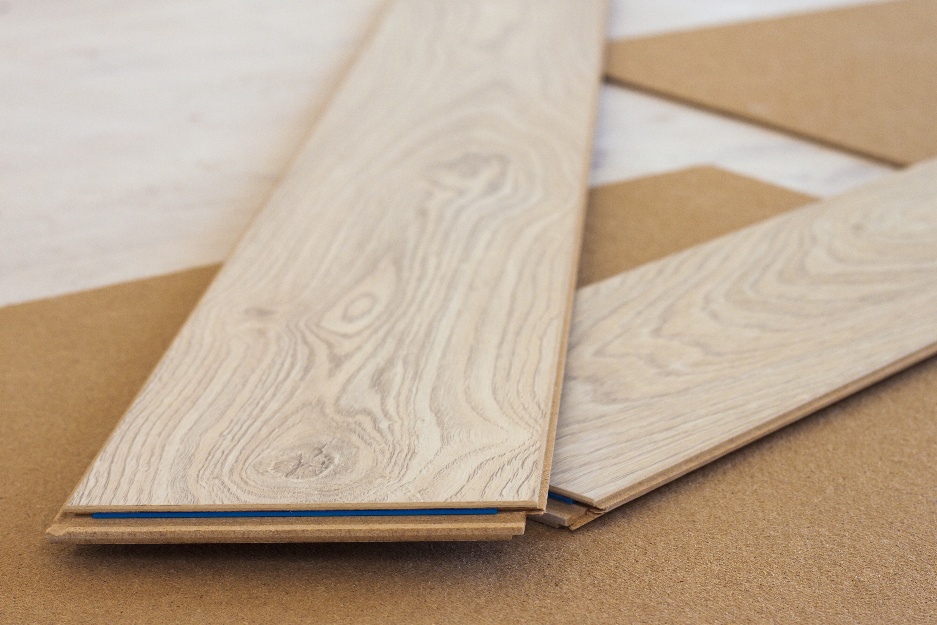
Laminate is a high-performance, sustainable option that delivers incredible realism at an affordable price.
Features:
- Looks, feels, and even sounds like real wood at about half the cost
- Wear layers impregnated with hard aluminum oxide provide the highest scratch resistance compared to wood or vinyl
- The most fade-resistant flooring—perfect for Hawaii’s sunny spaces
- Typically thicker (8-14mm) which minimizes the vertical difference at transitions to tile
- Eco-friendly: the core is made from recycled wood
- Click locks make the floor easy to install.
- Typical Cost: $3–$6 per square foot (materials only)
Concerns:
- The fiberboard core in cheap laminate is sensitive to moisture and can swell if spills aren’t wiped up quickly. Look for quality waterproof laminates or water-resistant ones that provide a topical moisture warranty.
- Subfloor levelness is key since laminates can sound hollow or bounce if the floor is forced to bridge a low spot
- Like hardwood, thicker laminates need to be cut with a saw. Buy extra blades because the hard aluminum oxide coatings dull them pretty quick.
Best for: Active households, high-traffic areas and/or sunlit areas, homes with tile in the bathroom/kitchen areas, budget-conscious projects
Avoid in: Bathrooms or high-moisture areas
Tile Overview
Tile is the definition of durability. From sleek porcelain to rustic natural stone, tile can handle water, heavy traffic, and the test of time.
Features:
- Waterproof, fade-proof, exterior-rated, and nearly indestructible
- Permanently bonded to the subfloor, making it resistant to water intrusion underneath and free from expansion/contraction issues
- Perfect for wet areas like kitchens, bathrooms, and outdoor lanais
- Available in endless sizes, textures, and styles—including wood- and concrete-look options
- Typical Cost: $3–$12 per square foot (materials only)
Concerns:
- Hard underfoot and can be uncomfortable to stand on for long periods.
- Grout lines require sealing and periodic cleaning to prevent staining or mildew.
- Tiles can crack if subfloor prep isn’t done correctly or if heavy items are dropped.
- Labor-intensive and typically more expensive to install than other floors.
Best for: Kitchens, bathrooms, shower/tub areas, mudroom, patio/lanai’s, maximum durability
Avoid in: Bedrooms or areas where comfort underfoot is a priority
Carpet Overview
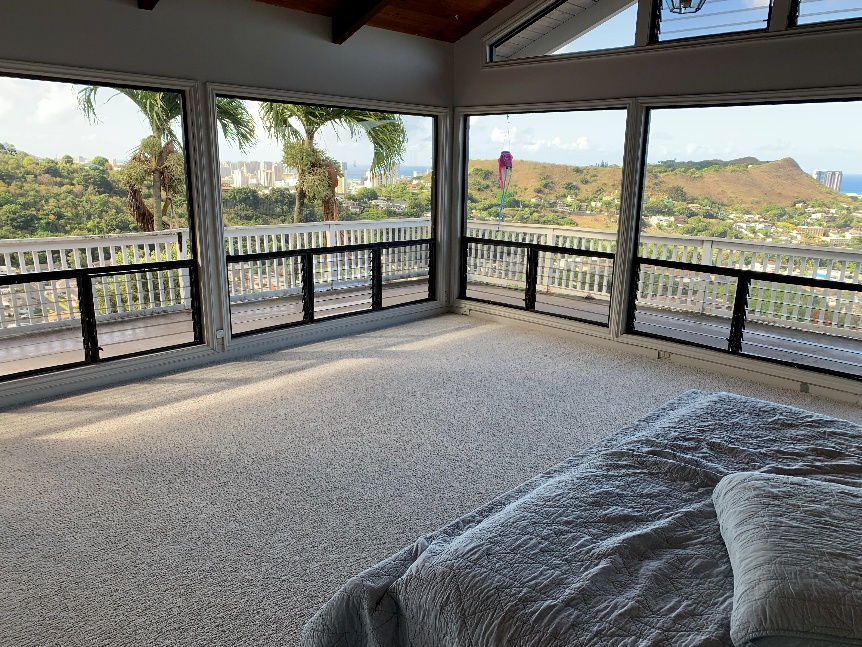
For comfort you can sink your toes into, carpet is unbeatable. It adds warmth, softness, and quiet to any space.
Features:
- Comfortable, cozy, and not cold underfoot—perfect for bedrooms and living areas
- Softness that you’ll love (especially when paired with a good memory foam pad)
- Most quiet choice – dampens room echo and reduces floor-to-floor sound transmission
- Affordable and available in countless textures and colors
- Typical Cost: $3–$6 per square foot (materials only)
Concerns:
- Susceptible to spills, staining, and matting in high-traffic areas.
- Needs regular vacuuming and is prone to staining
- Can trap dust, dander, and allergens if not regularly vacuumed.
- Typically needs to be replaced sooner than hard surface flooring
- Not suitable for wet areas; can hold odors if exposed to water or pets.
Best for: Comfort, warmth, and sound absorption in bedrooms and living areas
Avoid in: Kitchens, bathrooms, and other wet areas
Specialty Flooring (Hybrid • Sheet Vinyl • VCT • Rubber Flooring)
Not every project calls for traditional hardwood, vinyl, laminate, tile, or carpet. For certain spaces, specialty flooring provides the right combination of performance and function.
- Hybrid Flooring: Combine any of the hard surface floors above and there’s a chance that there’s a “hybrid” floor that brings the best of both worlds to the consumer. We have laminates with a real hardwood veneer, LVP’s with aluminum oxide laminate wear layers, and tile or rubberized sports floors that look like wood. On the flip side, don’t forget that you can get pretty much any format in a simulated tile visual.
- Sheet Vinyl: Installed in large rolls, sheet vinyl offers a seamless surface that’s economical, waterproof and easy to clean. It’s commonly used in bathrooms, laundry rooms, commercial spaces, and healthcare applications where low maintenance is key.
- VCT (Vinyl Composition Tile): A durable, economical choice often found in schools, hospitals, and retail stores. VCT is designed for heavy traffic and requires regular waxing and polishing to maintain its appearance.
- Rubber Flooring: Slip-resistant, resilient, and long-lasting, rubber flooring is widely used in gyms, studios, and multipurpose courts, play areas, stairs, and industrial applications. Sports flooring provides shock absorption, traction, is easy to clean, and highly durable under heavy use. It’s available in wood, vinyl, or synthetic surface finishes, depending on the application.
Quick Comparison: Which Flooring is Right for You?
Compare Popular Flooring Options
Quickly compare the advantages, durability, and investment level of today's most popular flooring choices.
| Flooring Type | Best For | Avoid In | Key Benefit | Durability / Estimated Lifespan | Typical Installed Cost (per sf) |
|---|---|---|---|---|---|
| Hardwood | Long-term investment, luxury, classic style | Bathrooms, wet areas | Most realistic and natural, lasts a lifetime, adds real estate value | 50+ years (refinishable) | $10–$20 |
| Vinyl | Kitchens, baths, basements, busy homes | N/A (waterproof) | Most versatile looks and formats | 10–25 years | $7–$13 |
| Laminate | Active households, sunny spaces | Wet areas | Scratch and fade resistance, eco-friendly | 15–25 years | $8–$15 |
| Tile | Kitchens, baths, outdoor lanais | Bedrooms (comfort) | Maximum durability, only option for wet areas, bonded to subfloor | 50+ years | $12–$25 |
| Carpet | Bedrooms, living rooms, family rooms | Kitchens, baths | Warmth, comfort, sound absorption | 5–12 years | $5–$8 |
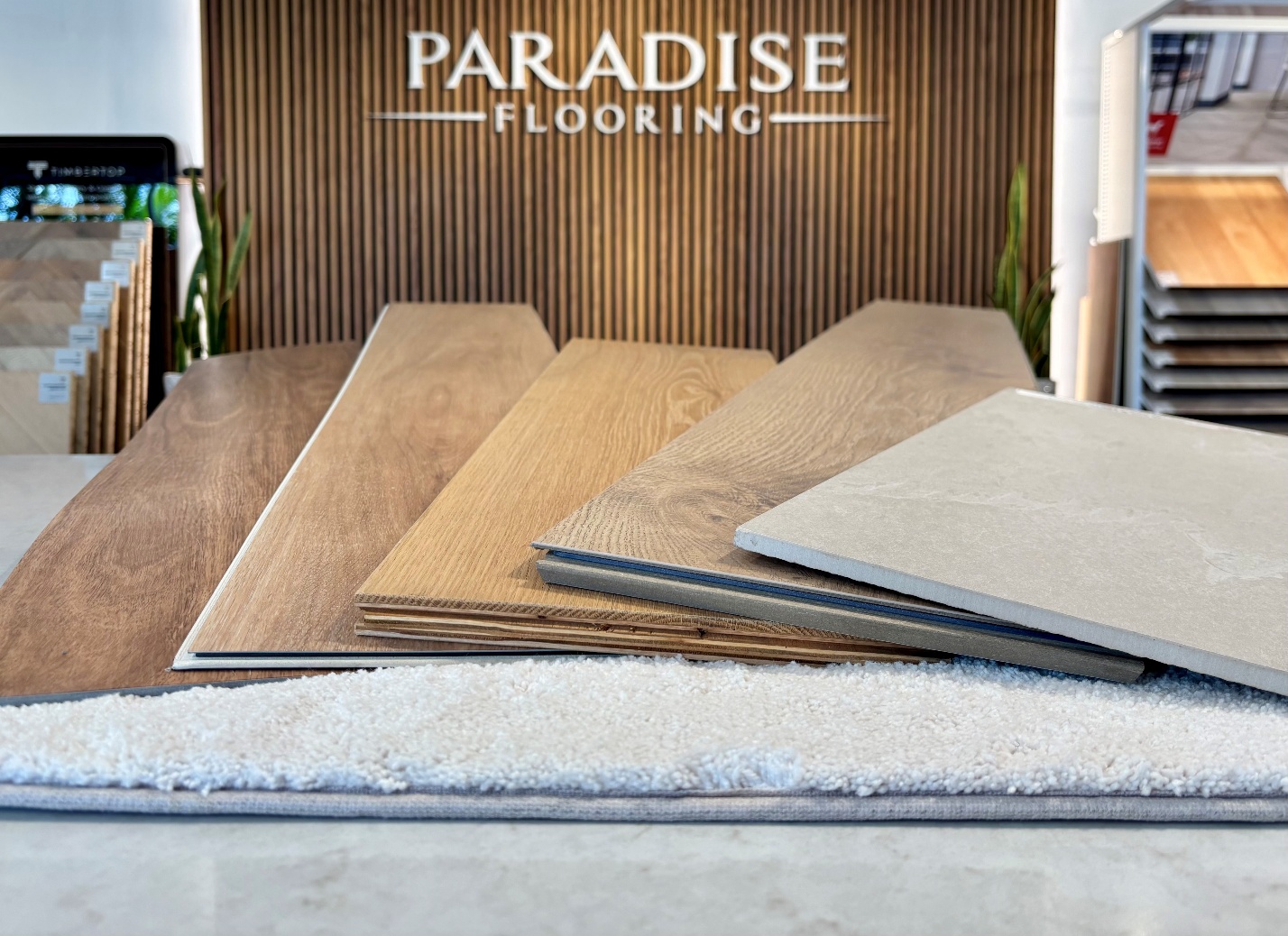
Why Buy From Paradise Flooring
At Paradise Flooring, we take an educational and consultative approach to flooring selection. We help customers compare flooring and select the right products based on their project-specific needs, not just marketing claims or showroom trends.
Our showroom features carefully selected products from reputable manufacturers chosen for their value, quality, performance, and suitability for Hawaii’s unique climate and lifestyle.
We hope this Buyer’s Guide has helped you compare the most popular flooring types—including vinyl, laminate, hardwood, tile, and carpet—to understand their strengths, limitations, and costs so you can choose the best flooring for your home. If you still have questions or would like help comparing options, please don’t hesitate to call, visit our showroom, or speak with our team for product guidance, samples, estimates, and installation recommendations.
Frequently Asked Questions
What is the most durable type of flooring? Will it scratch and how long will it last?
When it comes to durability, tile flooring is generally the top performer. Because it’s permanently bonded to the subfloor, it resists water intrusion, avoids expansion and contraction issues, and can last decades with proper care.
That said, it’s important to understand that any hard surface floor will scratch. The differences come down to:
- How visible the scratches will be (light floors or textured finishes tend to hide them better).
- How much pressure it takes to cause damage (for example, laminate’s aluminum oxide coatings resist scratches better than vinyl or hardwood).
As for lifespan, it depends largely on how much traffic and abuse your floor sees. As a general rule of thumb, higher- end floors tend to have better durability features like thicker wear layers and more robust coatings. Think twice before grabbing the cheapest floor you can find—it often won’t hold up as well over time, costing you more in the long run.
To keep your floor looking its best, it’s essential to follow floor care best practices.
Do I really need “waterproof” flooring?
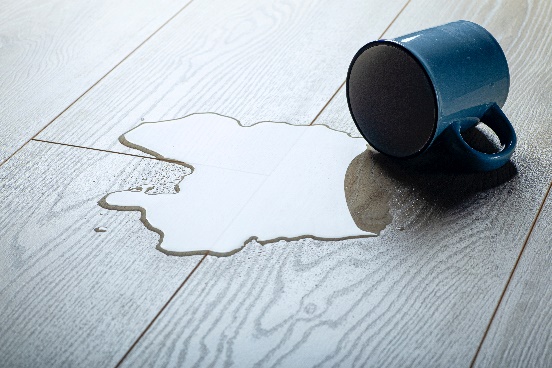
Many customers believe “waterproof” is the single most important factor when choosing a floor, but the reality is more balanced. All of our floors are designed to handle everyday spills, splashes, and topical moisture.
- Laminate: Many of today’s laminates are either fully waterproof or rated to withstand at least 72 hours of standing water without damage.
- Hardwood: Modern factory finishes and protective coatings greatly reduce the risk of spills soaking into the wood, giving you time to wipe them up.
- Vinyl & Tile: Naturally waterproof options, ideal for bathrooms, kitchens, and other wet areas.
In truth, catastrophic water damage (from burst supply lines, drain clogs, or appliance failures) will typically ruin any type of floor. In those cases, your homeowner’s insurance usually covers replacement, regardless of the flooring material.
The bottom line: “Waterproof” is nice, but it shouldn’t be the only factor in your decision. What matters most is choosing a floor that matches your lifestyle, looks beautiful, and provides lasting value in your home.
What flooring adds the most value to a home?
Hardwood flooring is the clear winner when it comes to boosting resale value. According to a survey of real estate professionals (NWFA, 2006):
- 99% said homes with hardwood are easier to sell
- 82% said they sell faster
- 90% said they sell for more money—sometimes up to 10% more
Hardwood is timeless, sustainable, and the only flooring that can be sanded and refinished multiple times, making it a true long-term investment.
What’s the best flooring for pets?

If you have pets, two top choices stand out:
- Laminate: Extremely scratch-resistant due to its aluminum oxide wear layer, making it ideal for homes with dogs or cats.
- Vinyl: 100% waterproof and easy to clean, so accidents, spills, or muddy paws won’t damage the floor.
That said, don’t automatically rule out carpet or hardwood if your pets are housetrained. Modern carpet fibers and backings are engineered with excellent stain resistance, making cleanup much easier than in the past. And today’s hardwood finishes are tough enough to handle everyday life, from pet traffic to the occasional spill.
What flooring is best for Hawaii’s humid climate?
ANY type of flooring can perform well in Hawaii’s humid climate if it’s installed correctly. Rarely does flooring fail because of ambient humidity. Problems usually arise from poor installation practices.
Key best practices include:
- Providing expansion gaps for floating floors (laminate and vinyl) to allow natural movement
- Proper moisture mitigation on concrete subfloors before installing hardwood, vinyl, or laminate
- Prepping the floor and using quality pro-grade self-leveler, adhesives, and tile-setting materials
What is the cheapest type of flooring?
Carpet, laminate, and luxury vinyl are generally the most budget-friendly flooring options. Carpet and click-lock products are especially affordable when you factor in installation costs, since they go in faster and with less labor than hardwood or tile.
- Carpet: $3–$6 per square foot (materials only)
- Laminate: $3–$6 per square foot
- Vinyl: $3–$7 per square foot
That said, it’s important to think beyond the initial purchase price. The total lifecycle cost of your floor depends on how long it lasts before it needs to be replaced or repaired. Cheaper floors may wear out faster, scratch more easily, or show damage sooner, meaning you could end up replacing them more often.
Pro tip: Hardwood may not be the cheapest upfront, but it’s a true lifetime floor because it can be refinished in place instead of replaced. And in general, higher-quality floors with thicker wear layers and stronger finishes often save money over time by lasting longer and performing better—making them the more cost-effective choice in the long run.
How are the floors installed?
Installation methods vary by flooring type, and each has its pros and considerations:
- Carpet: Requires minimal subfloor prep but does need specialized techniques and tools (stretching, seaming, tack strips). For that reason, carpet installation is almost always best left to professionals.
- Hard Surface (Floating/Click-Lock): Floors like laminate and many vinyl planks “snap” together and are installed floating over the subfloor. Since they’re not glued or nailed down, they’re allowed to freely expand and contract with changes in temperature and humidity. This is the fastest, cleanest, and most budget-friendly installation method. However, the subfloor must be properly prepped, and an expansion gap is required around the perimeter. That gap is usually covered with moldings at transitions to adjacent floors or vertical surfaces like walls, cabinets, and doors.
- Hard Surface (Glue-Down or Nail-Down): Hardwood, some vinyl, and rubberized floor coverings are secured directly to the subfloor with adhesives, nails, or both. This method requires more skill and labor, but it provides the most solid sound and feel underfoot. If moldings aren’t your thing, a skilled installer can often create seamless transitions to adjacent floor coverings for a cleaner look.
Does flooring thickness matter?
Floor thickness can influence your decision, but thicker isn’t always better.
In many cases—especially in new construction—thickness doesn’t matter much because the entire floor system can be designed around the material you choose. However, in remodels and replacements, thickness becomes much more important.
For example, if you’re replacing an existing sheet vinyl or luxury vinyl floor, sticking with a similar product category and thickness often makes sense. This helps avoid issues with door clearances, transitions, and built-in appliances like dishwashers or under-counter refrigerators.
Subfloor conditions also play a role. Very thin floors—such as 2.5mm glue-down vinyl—can telegraph imperfections in the subfloor. Slightly thicker floating floors like quality LVP or laminate often include stronger locking systems, which can help bridge minor unevenness and improve overall performance.
Thickness can also help when transitioning to other flooring materials. Tile installations typically sit about 1/2" to 3/4" above the subfloor, so choosing a thicker laminate or engineered wood floor can reduce height differences and create smoother transitions between rooms.
While many manufacturers have introduced thicker products in response to consumer demand, thickness alone isn’t the best indicator of quality. It’s more important to focus on the overall construction—core material, locking system, and wear layer.
As a general guideline, it’s best to avoid extremely thin products, such as:
- Laminate under ~8mm
- Hardwood under ~1/2"
- Vinyl under ~4.5mm
These thinner floors are more likely to show subfloor imperfections and may not perform as well over time.
Your floor is the foundation of your space. Whether it’s the elegance of hardwood, the waterproof resilience of vinyl, the scratch resistance of laminate, the indestructibility of tile, or the comfort of carpet—Paradise Flooring has the perfect solution for your project.
Visit our Honolulu showroom to see, touch, and walk on the floors yourself. Our flooring experts will help you compare your options and choose the floor that fits your lifestyle.


